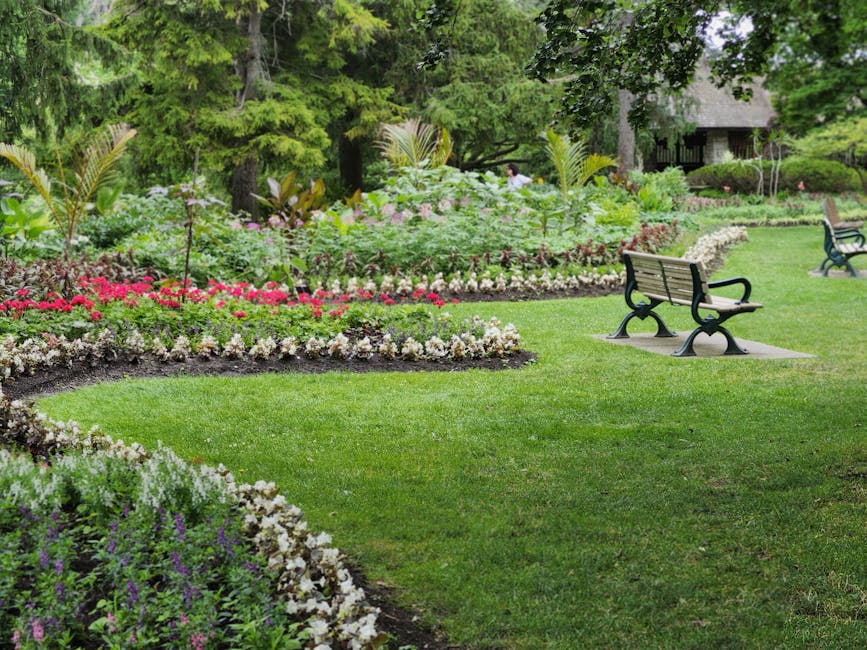
Mitcham Common garden care guide for local gardeners
If you garden near Mitcham Common, you already know the rhythm: one week the soil feels workable and fresh, the next it has been battered by wind, shade, or a sudden cold snap. This Mitcham Common garden care guide for local gardeners is built for that reality. It is not a generic checklist dressed up as local advice. It is a practical, ground-level guide for people who want healthier borders, tidier lawns, more reliable planting, and fewer "why is this happening again?" moments.
Whether you are keeping a family garden neat, restoring an overgrown plot, or trying to get a small urban space to feel calm and usable, the basics stay the same: work with the conditions, choose plants sensibly, and keep on top of maintenance before small issues turn into weekend-consuming jobs. That sounds simple. In practice, well, gardens have a habit of testing us.
This guide walks through local conditions around Mitcham Common, the practical steps that make the biggest difference, and when it may be worth getting extra help through regular garden maintenance or a more specific service such as lawn care support.
Table of Contents
- Why Mitcham Common garden care matters
- How this kind of garden care works
- Key benefits and practical advantages
- Who this guide is for
- Step-by-step guidance
- Expert tips for better results
- Common mistakes to avoid
- Tools, resources and recommendations
- Law, compliance and best practice
- Options and method comparison
- Case study example
- Practical checklist
- Conclusion
- Frequently asked questions
Why Mitcham Common garden care guide for local gardeners matters
Mitcham Common is not a soft, predictable garden backdrop. It influences everything from wind exposure and soil moisture to how quickly weeds return after rain. Nearby gardens often deal with compacted ground, patchy shade, dry edges, and planting beds that can look fine in spring but struggle once summer heat or winter wet sets in. So a proper garden care plan has to be local in spirit, not just local in name.
For many homeowners and tenants, the real challenge is balance. You want a garden that looks welcoming without demanding every spare minute. You want structure, but not a fussy layout that falls apart if you miss a week. You want plants that cope, lawns that recover, and borders that do not become a jungle after a few mild, damp days. That is exactly why a local guide matters.
There is also a practical money angle. A garden that is well maintained usually costs less to fix later. A few hours of steady upkeep often prevents bigger jobs such as major clearance, turf replacement, or rebuilding beds that have been overwhelmed by weeds. Truth be told, most garden "emergencies" start as something small and easy to ignore.
Local care also supports better decision-making. For example, a shady plot near mature trees will benefit from a different approach to feeding, mowing, and planting than a sunny, open front garden. If you have been thinking about a broader refresh, it may be useful to look at landscaping options or even a modest redesign inspired by budget-friendly garden ideas.
How Mitcham Common garden care guide for local gardeners works
Good garden care around Mitcham Common works by matching the right maintenance to the right part of the garden. That means lawns are treated differently from hedges, borders, patio edges, and container displays. A healthy garden is rarely the result of one dramatic intervention. It is usually a series of sensible, repeatable actions that add up.
The core approach has five parts:
- Observe the site. Watch where water sits after rain, which areas dry out first, and which spaces get the least light.
- Prioritise structure. Keep hedges, trees, paths, and lawns tidy so the whole garden feels intentional, even if planting is simple.
- Improve the soil. Feed tired ground with compost, organic matter, or careful enrichment instead of guessing with random products.
- Choose resilient plants. Use plants that tolerate your conditions rather than fighting the site every season.
- Maintain regularly. Light, consistent work is nearly always better than occasional heroic effort.
In a practical sense, this often means mowing before grass becomes stressed, trimming hedges before they block light, mulching to hold moisture, and removing weeds while they are still young. If you prefer support rather than doing everything yourself, the relevant services on the website can help with lawn mowing, hedge trimming in Mitcham, and broader gardening services.
The same logic applies indoors and outdoors with plants that need different conditions. For example, people who keep container displays can often control moisture and feeding better than in open ground. If that sounds familiar, you may also find a beginner-friendly container gardening guide useful for patios, steps, and sheltered corners.
Key benefits and practical advantages
There is a real difference between a garden that is "technically fine" and one that feels good to live with. Local garden care is about more than appearances, although to be fair, appearance does matter a lot when you look out the window every morning.
- Better curb appeal: Neat edges, managed hedges, and healthy turf make a property feel looked after.
- Less plant stress: The right care reduces scorch, waterlogging, root issues, and weak growth.
- More usable space: A clear, maintained layout makes gardens easier to enjoy and safer to move through.
- Lower long-term repair work: Staying ahead of weeds, overgrowth, and bare patches reduces bigger remedial jobs later.
- Improved seasonal resilience: A garden that is prepared for wind, wet weather, and cold spells recovers faster.
There are also lifestyle benefits. A tidier outdoor space is easier to relax in, easier for children to use, and easier to keep pet-friendly. If that matters in your household, you might also want to explore a dog-friendly garden approach or ideas for making a backyard family-friendly.
One more practical advantage: a clear maintenance routine removes decision fatigue. You are not standing in the garden wondering what to tackle first. You already know. That alone makes the whole thing feel less overwhelming.
Who this is for and when it makes sense
This guide is useful for a wide range of local gardeners, but it is especially relevant if your garden is regularly affected by shade, wind, damp patches, or fast-returning weeds. In other words, most gardens have at least one of those, and many have all four.
You will get the most from it if you are:
- a homeowner trying to keep a modest garden tidy year-round;
- a landlord or property manager who needs reliable external upkeep;
- a beginner who wants a realistic routine rather than a glossy dream plan;
- a more experienced gardener dealing with one stubborn problem, such as poor lawn recovery or out-of-control hedging;
- someone coming back to a neglected space and needing a sensible starting point.
It also makes sense when you are planning a bigger improvement. If the bones of the garden are good but the planting is weak, then simple maintenance may be enough. If the layout is awkward, drainage is poor, or access is difficult, then a broader project may be more appropriate, possibly involving landscaping, new fencing, or even targeted tree surgery where over-shading is the main issue.
And if the whole garden has been left alone for a while, don't panic. Plenty of spaces can be turned around with a practical reset. A helpful starting point is this guide on how to revamp an untended garden.
Step-by-step guidance
The most reliable way to care for a garden near Mitcham Common is to start with the obvious wins. Don't begin with fancy planting if the lawn is patchy and the borders are choked. Fix the foundation first.
1. Walk the garden and note the problem spots
Take ten minutes and look at the garden as if you had never seen it before. Where does water sit? Which area gets the most wind? Are the borders shaded by trees or fences? Does one side of the lawn look tired because people always cut across it? These little observations save a lot of guesswork.
2. Clear the obvious clutter and weeds
Start by removing dead material, fallen branches, weeds, and anything blocking access. This is not glamorous work. It is a bit grubby. But it changes how the whole garden feels straight away. If weeds are your main headache, a focused read on simple weed control tips can help you keep them from taking over again.
3. Tackle the lawn before it gets worse
Lawns in this area often need balanced mowing, not aggressive cutting. Cutting too short can stress the grass, especially in dry spells or poor soil. Aim for steady maintenance, then feed, overseed, or repair bare patches where needed. If the grass is thin in places, think about whether the root cause is shade, compaction, or poor drainage rather than just "bad luck".
4. Trim hedges and edges for structure
Hedges are more than visual borders. They shape light, shelter, and privacy. A hedge that has gone too wide can block sun from the rest of the garden. A hedge that has been neglected can become leggy and hard to recover. Regular trimming keeps things manageable. For seasonal shaping and tidy lines, hedge trimming in Mitcham is one of the most effective maintenance jobs you can do.
5. Feed the soil, not just the plants
Healthy soil changes everything. Add compost or other organic matter where the ground is tired, and use mulch to lock in moisture and improve texture over time. If you are trying to be more sustainable, this article on eco-friendly soil enrichment from organic waste is a smart companion read.
6. Replant with the site in mind
Choose plants that suit the light and exposure you actually have. A sun-lover in deep shade will look miserable, no matter how carefully you water it. In a windy or exposed spot, think sturdy structure rather than delicate frills. Ground covers can also be very useful where you want something attractive and low-maintenance. The guide to nine useful ground covers is worth a look if you are trying to suppress weeds and soften bare areas.
7. Build in protection for harsh weather
Near open ground, weather can turn quickly. Wind damage, frost, and heavy rain can undo weeks of progress. That does not mean you need a greenhouse mindset for everything, but it does help to use the basics: fleece where needed, stakes for younger plants, and sensible placement for tender species. For more on this, see winter plant protection and severe weather garden protection tips.
8. Keep a simple monthly routine
Once the big issues are under control, set a light routine: mow, deadhead, weed, check ties, water sensibly, and tidy paths or patios. That is usually enough to keep a garden looking presentable without turning your weekends into an endless maintenance shift.
Expert tips for better results
Small refinements often make a bigger difference than dramatic changes. Here are the things that tend to separate "pretty good" gardens from the ones that feel quietly well run.
- Trim for light, not just shape. A hedge cut with light in mind helps the garden beneath it stay healthier.
- Water deeply, less often. Shallow splashing encourages weak roots. Deeper watering usually gives sturdier plants.
- Mulch after rain if possible. That traps moisture where roots can use it. Handy, really.
- Use vertical space. In smaller gardens, climbers and wall planting can add interest without clutter. The article on vertical gardens is helpful here.
- Plant for layers. Mix ground cover, medium shrubs, and a few structural plants so the garden looks complete even in winter.
- Think in zones. A sunny front, shady side return, and enclosed rear garden may each need different maintenance.
One of the most underrated tips is simply this: do a little before things look bad. Once the garden already feels messy, jobs become harder to judge and easier to postpone. Before long, you are staring at the border like it has personally offended you.
If your garden has dark corners, do not assume they are useless. Shade can be turned into a feature with the right planting. You may find inspiration in shade-loving climbers or a more calming approach through zen garden concepts.
Common mistakes to avoid
Even good gardeners fall into these traps now and then. The trick is spotting them early.
- Cutting grass too short: It can leave lawns thin and stressed, especially in hot or dry conditions.
- Ignoring drainage issues: If an area keeps waterlogging, planting around the problem may not solve it.
- Over-feeding: More fertiliser is not always better. Too much can encourage weak, soft growth.
- Using the wrong plant for the site: A plant that hates shade will never become happy there, however much you coax it.
- Letting hedges run wild: The longer you leave them, the harsher the cut tends to be later.
- Not thinking about access: A beautiful garden that is impossible to move through is awkward to maintain and awkward to enjoy.
Another common issue is trying to solve everything with one weekend blitz. It feels productive, but often just creates more mess. Better to finish a section properly than do five sections badly. That sounds obvious, though gardens tempt us into shortcuts all the time.
Tools, resources and recommendations
You do not need a giant shed full of equipment to keep a local garden in shape. A few dependable tools, used well, will go a long way.
| Tool or resource | Best for | Why it helps |
|---|---|---|
| Hand pruners / secateurs | Deadheading, light pruning, tidy cuts | Fast, precise work on smaller growth |
| Spade or border fork | Soil improvement, dividing, edging | Helps loosen compacted ground and shape beds |
| Rake and leaf collector | Seasonal tidy-ups | Keeps lawns and borders clear without damaging surfaces |
| Hose, watering can, or irrigation kit | Targeted watering | Supports plants during dry spells without waste |
| Mulch or compost | Soil health and moisture retention | Improves texture and reduces evaporation |
If you are still building your kit, the guide to garden essentials and must-have tools is a sensible place to start. And if you want practical ideas for keeping costs in check while making real progress, the article on essential gardening tips for starters is worth bookmarking.
For larger or ongoing work, professional help can save time and reduce frustration. That is especially true if you need repeated mowing, hedge shaping, seasonal clearance, or a complete reset after a long gap. In those cases, a service like garden maintenance can be the simplest path forward.
Law, compliance, standards and best practice
For everyday garden care, the biggest compliance issues are usually practical rather than complex. Around homes and shared boundaries, you may need to think about neighbourly impact, safe use of tools, and responsible disposal of green waste. If a tree is close to a boundary or creating obvious risk, it is wiser to handle it carefully than to guess.
For work involving ladders, powered tools, or awkward access, sensible safety practice matters. The site's health and safety information and insurance and safety guidance are useful references if you are weighing up professional support. You should also check practical service expectations, payment terms, and quote details through pricing and quotes, payment and security, and the terms and conditions page.
In plain English: use the right tool for the job, do not cut corners on safety, and make sure any significant work on trees, fences, or access areas is done with care. If you are unsure, get advice before starting. That is the boring answer, but also the sensible one.
Options, methods, or comparison table
Different gardens need different levels of support. Below is a simple comparison to help you decide whether to DIY, mix and match, or bring in a professional.
| Approach | Best for | Strengths | Limitations |
|---|---|---|---|
| DIY routine care | Small, manageable gardens | Low cost, flexible, hands-on | Needs time, consistency, and confidence |
| Seasonal tidy-up | Gardens that drift out of control now and then | Fast visible improvement | Can slip back without follow-up |
| Regular maintenance support | Busy households, landlords, larger plots | Reliable upkeep, less stress | Ongoing cost, less hands-on control |
| Full redesign / landscaping | Poor layout, access problems, major wear | Solves structural issues properly | Higher upfront planning and budget |
For a lot of local gardeners, the sweet spot is a mix: handle the lighter jobs yourself, then call in help for the bigger or more technical work. That might include mowing, hedge trimming, patio cleaning, or occasional tree-related work through patio cleaning and tree surgery when needed.
Case study or real-world example
A typical local example is a modest rear garden with a tired lawn, one overgrown hedge, and a shady side border that never seems to thrive. The owner has tried "doing a bit here and there" for months, but the garden still feels unfinished. There is no single disaster. That is the tricky part. Everything is just a little bit off.
The reset usually works best in stages. First, clear the weeds and cut back the hedge enough to let in light. Then edge the lawn, patch the bare spots, and improve the soil in the border before replanting with shade-tolerant shrubs or ground cover. Add a small seating area once the flow of the space makes sense. Suddenly it starts feeling like a garden again, not a to-do list.
In a case like that, you might also choose one or two supportive ideas from related guides, such as expert seating arrangement tips or a vibrant herb garden plan. Small upgrades can make the space feel intentional very quickly.
And yes, sometimes the biggest improvement is simply getting the first messy layer under control. The rest follows much more easily after that.
Practical checklist
Quick summary: Focus on the basics first, then refine. In most Mitcham Common gardens, that means light regular mowing, sensible hedge trimming, weed control, soil improvement, and weather-aware planting.
- Check which areas are sunny, shaded, windy, or prone to waterlogging.
- Remove weeds, dead growth, and loose debris before starting anything else.
- Mow the lawn regularly without cutting it too short.
- Trim hedges and edges before they become hard to manage.
- Add compost or mulch to improve tired soil.
- Choose plants that suit the actual conditions in your garden.
- Protect tender plants during cold or severe weather.
- Use containers, climbers, or ground cover where space is limited.
- Keep paths, patios, and access routes clear and safe.
- Review the garden monthly so small problems do not snowball.
If you would rather hand some of this over, it is worth speaking to a local team that understands the area and the type of work involved. A good starting point is the about us page, then the contact page if you want to ask about your own garden. You can also browse the available gardening services to see what fits best.
Conclusion
A Mitcham Common garden works best when it is treated like a living space that has to cope with real local conditions. Not a showroom. Not a magazine spread. Just a place that needs steady care, sensible choices, and a little bit of patience. Once you accept that, the job becomes clearer and much less frustrating.
The strongest results usually come from simple habits: keep the lawn under control, shape hedges before they sprawl, improve the soil, and choose planting that suits your light and exposure. Add weather protection where needed, and do not let the small jobs pile up. That is the heart of it.
Whether you want a calmer outdoor space, a more family-friendly garden, or just a cleaner, healthier plot that is easier to live with, there is always a practical next step. Start small if you need to. Start today if you can. Gardens often respond faster than we expect once they get the right attention.
Get a free quote today and see how much you can save.
And if the first step is simply getting outside with a cup of tea and looking properly at what the garden needs, that is a perfectly good place to begin. Sometimes that is all it takes to get things moving again.
Frequently Asked Questions
What does a Mitcham Common garden care guide for local gardeners actually cover?
It covers the practical day-to-day and seasonal tasks that help local gardens stay healthy, tidy, and usable. That includes lawn care, hedge trimming, soil improvement, weed control, planting choices, and weather protection.
Why do gardens near Mitcham Common need a different approach?
Because local conditions can vary a lot. Some gardens are exposed to wind, others are shaded by trees or fencing, and some struggle with compacted or moisture-holding soil. The best maintenance plan reflects those conditions rather than treating every garden the same.
How often should I mow my lawn?
That depends on growth rate, season, and grass health. In general, regular mowing is better than letting the lawn get too long and then cutting it severely. The aim is steady maintenance, not rescue missions every few weeks.
What is the best time to trim hedges in a local garden?
It depends on the hedge type and how fast it grows. Most hedges benefit from light, regular shaping rather than a single heavy cut. If the hedge is blocking light or becoming wide and untidy, it is probably time to act.
Can I improve poor soil without digging everything up?
Yes. Adding compost, organic matter, and mulch can improve soil structure gradually. That approach is often kinder to roots and less disruptive than a full excavation, especially in established borders.
What should I do if my garden is very shaded?
Use plants that tolerate shade rather than forcing sun-lovers into the wrong place. Shade can be turned into a feature with climbers, textured foliage, and layered planting. If the shade is caused by large trees, pruning may also help.
How can I keep weeds under control without endless weeding?
Stay ahead of them. Pull weeds while they are small, use ground cover where appropriate, and keep soil covered with mulch. Bare soil is basically an invitation, and weeds are never shy about accepting.
Is regular garden maintenance worth it for a small garden?
Usually, yes. Small gardens can become cluttered very quickly, and because the space is tight, even minor neglect shows. Regular maintenance keeps them looking bigger, cleaner, and easier to enjoy.
Do I need professional help for overgrown or neglected gardens?
Not always, but it can be the smartest option if the space has become difficult to clear safely or you need a proper reset. Professional support is especially useful for hedges, lawns, heavy clearance, and larger layout changes.
What are the most useful tools for basic garden care?
Secateurs, a spade or border fork, a rake, a watering tool, and a way to add compost or mulch will cover most routine jobs. If you want to build a more complete kit, a good garden tools guide can help you prioritise.
Are there safety issues I should think about before doing garden work myself?
Yes. Tool handling, ladder work, thorny plants, uneven ground, and tree-related tasks all carry risk. Use sensible protection, work carefully, and get professional support where the job is awkward, high, or uncertain.
How do I know whether I need lawn care, landscaping, or general garden maintenance?
If the issue is mainly grass health, lawn care is the best fit. If the garden needs shaping, access changes, or a more structural refresh, landscaping may be more appropriate. For everything in between, general garden maintenance often gives the best balance.
Where should I start if my garden feels completely out of control?
Start with clearing, then move to the most visible and most damaging issues first: weeds, overgrowth, and the lawn. After that, improve soil and tackle planting. A garden usually becomes manageable again once the first layer of mess is gone.